

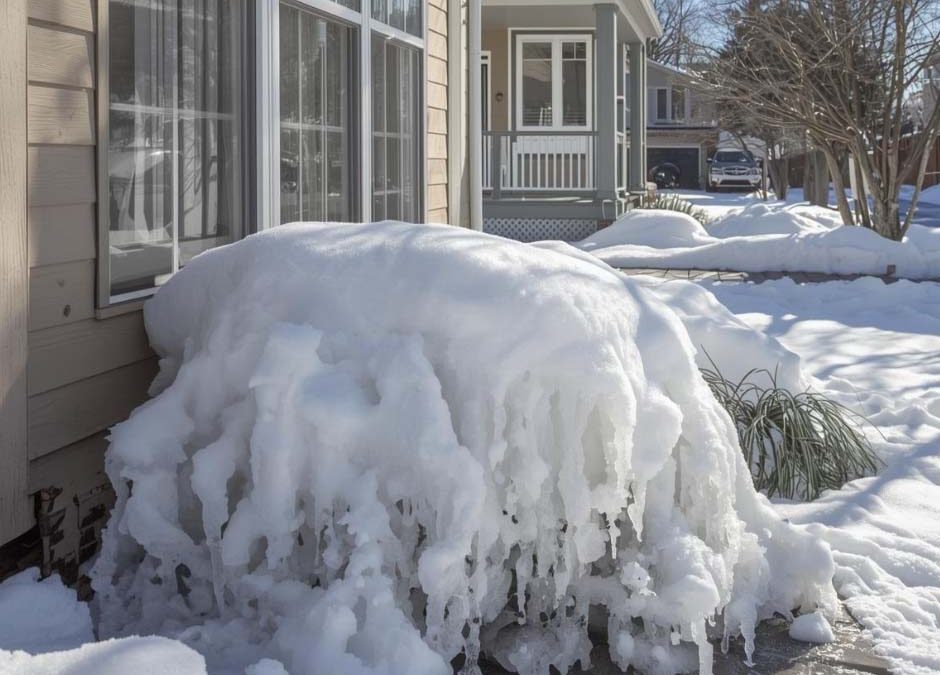
As February temperatures rise and fall, snow begins to melt—and that’s when many homeowners face an unexpected threat: water damage. While snow itself might seem harmless, the melting process can create significant problems if water has nowhere to go.
Snowmelt can seep into basements, overwhelm sump pumps, and enter through tiny cracks in the foundation. Homes with poor drainage or clogged gutters are especially vulnerable. If melting snow refreezes at night, it can cause ice dams, forcing water under shingles and into ceilings or walls.
Many homeowners don’t realize that insurance coverage for water damage depends on the source. Sudden and accidental damage—such as from burst pipes or roof leaks caused by ice dams—is typically covered. However, gradual seepage or groundwater entering through the foundation is often excluded.
To protect your home, start by clearing gutters and downspouts. Make sure water flows away from the foundation. Shovel snow away from the home’s perimeter, especially near basement windows or low entry points. Inside, monitor your sump pump, look for moisture on basement walls, and consider installing a backup battery system.
A few preventive steps now can help avoid major repairs—and ensure your home stays dry as winter transitions into spring.